Access Fund Climbing Advocacy Conference 2026
Reflections and Key Take-Aways from West Virginia
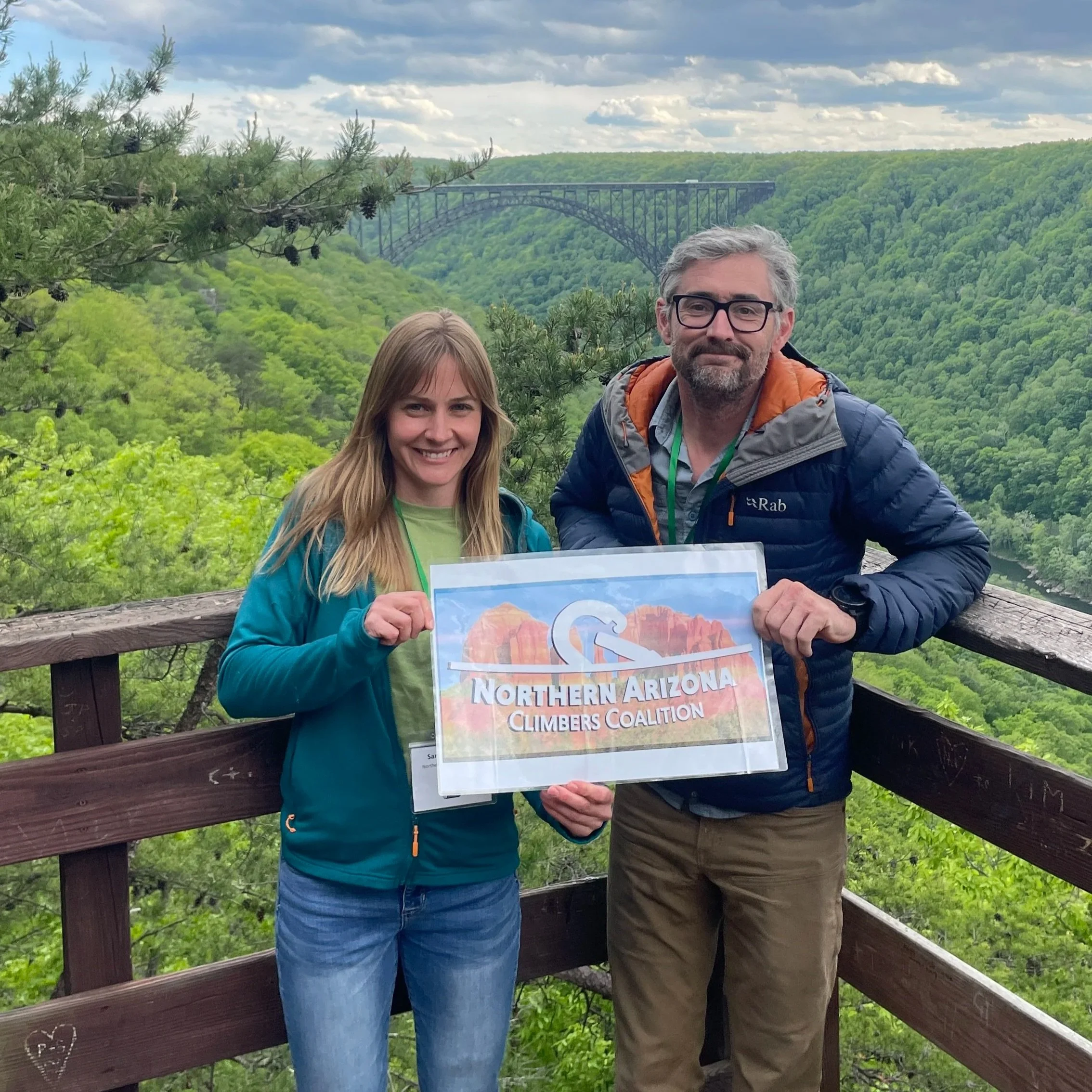
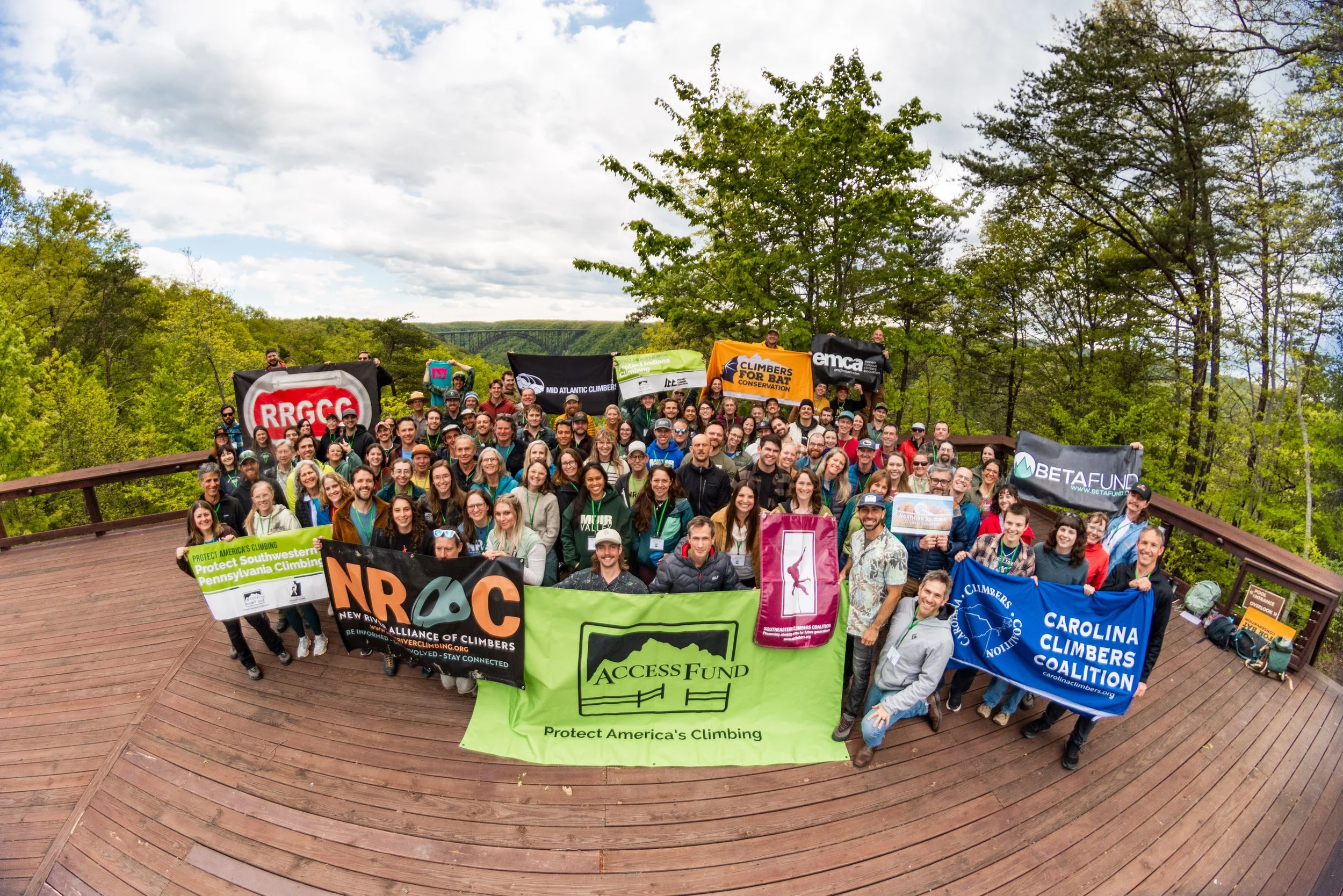
Recently, fellow board member Ben Raiche and I traveled to Fayetteville, West Virginia to attend the Access Fund Climbing Advocacy Conference. The event brought together climbing organizations, advocates, and land managers from across the country to discuss many of the key challenges and opportunities currently shaping climbing access, stewardship, and community engagement nationwide.
One of the most fascinating parts of the conference was learning how differently climbing areas are managed across the country. Here in Northern Arizona, most of our climbing exists on public lands, while in eastern states, climbers rely heavily on private land access and partnerships with State Parks. In many areas, local climbing organizations work actively to acquire land in order to preserve climbing access for the future, often partnering with land trusts and relying on grants, fundraising efforts, and private donors to make those acquisitions possible.
Hearing how other organizations navigate these realities, and the creative solutions they’ve developed, was incredibly eye opening. It served as an important reminder not to take our own access for granted. We are fortunate to have access to so many wild and secluded climbing areas, as well as strong relationships with local land managers. Protecting these places requires continued stewardship, advocacy, and community care to ensure access remains open for the future.
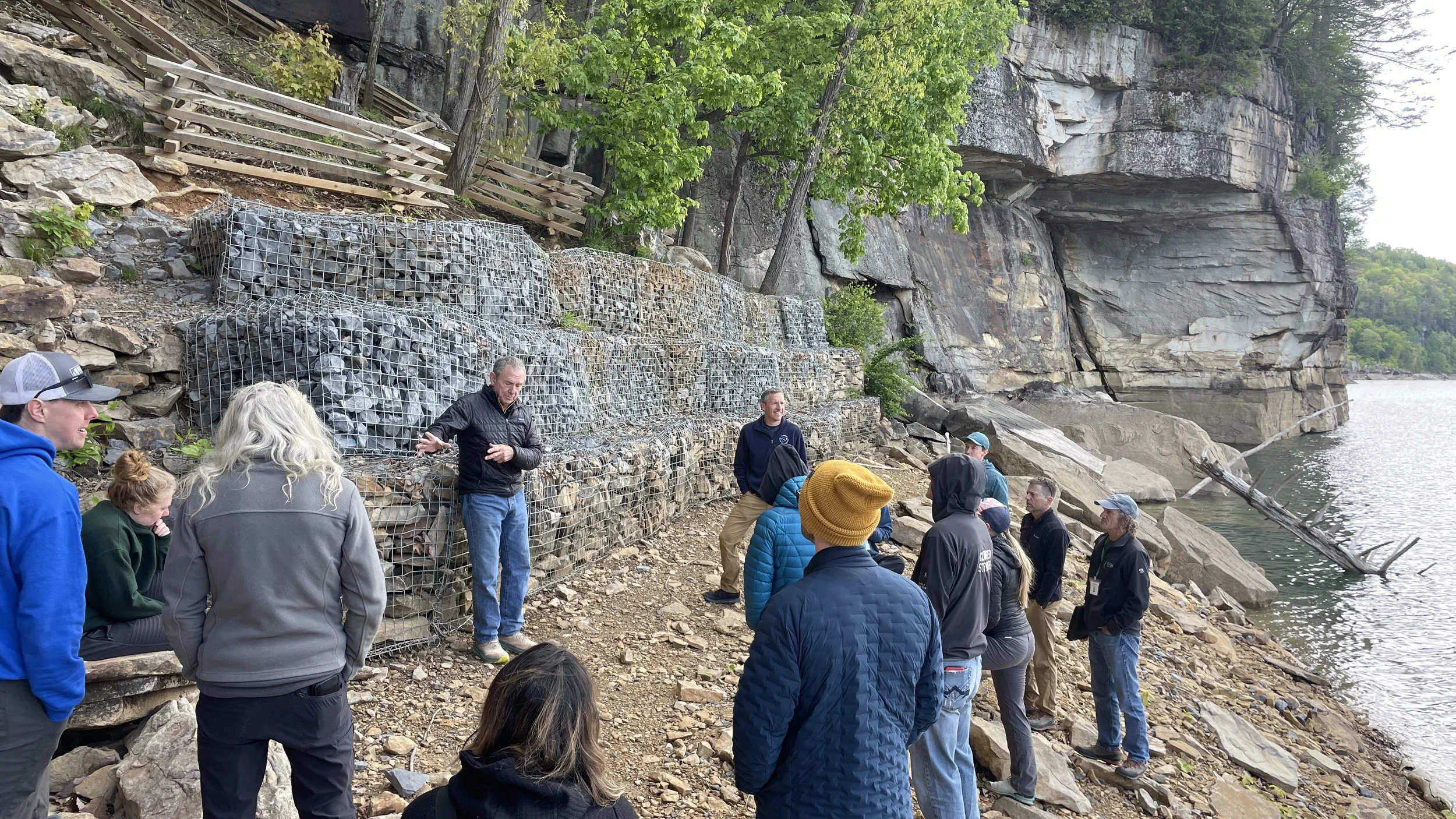
Throughout the conference, Ben and I strategically split our attention to attend different workshops on various topics including: climbing management plans, erosion control, crag stewardship, climber education, and wildlife conservation at climbing areas. It was especially interesting to learn not only about nesting birds, but also about the other wildlife that share these spaces with climbers, including bats, salamanders, and wood rats, and how climbers can play a role not only in protecting these species but also in contributing valuable observations and data that help biologists better understand them.
Some of the stewardship and erosion mitigation projects presented at the conference were incredibly extensive and required resources beyond what currently exists at many of our local crags. Still, it was inspiring to see what is possible when climbing organizations, volunteers, and land managers work together toward long-term conservation goals. We hope to continue exploring opportunities to partner with the Forest Service on future erosion control and stewardship projects here in Northern Arizona as guidance and opportunities become available.
Another major highlight was hearing behind-the-scenes stories about the passage of the EXPLORE Act and PARC Act from members of the Access Fund policy team, Eric Murdoch and Jason Keith. Their enthusiastic talk offered insight into the years of advocacy, relationship-building, and public policy work that went into helping secure protections for climbing access at the national level.
The passage of these bills was especially significant for climbers because they help secure the legality of fixed anchors in designated wilderness areas and require federal agencies to create clearer guidance for managing climbing. Since much of the climbing in Northern Arizona exists on US Forest Service land, these developments will shape future conversations and collaboration with our local land management partners, particularly around the creation and implementation of Climbing Management Plans.
One of the most rewarding aspects of the conference was getting to meet advocates and organizers from across the country, especially from eastern climbing communities whose experiences can differ so greatly from our own. It was inspiring to connect with people doing meaningful work in their local areas and to hear firsthand about both the successes and challenges they face. We also had the opportunity to spend time with Access Fund staff and learn more about the many resources, tools, and support systems available to local climbing organizations like ours as we continue working toward our goals here in Northern Arizona.
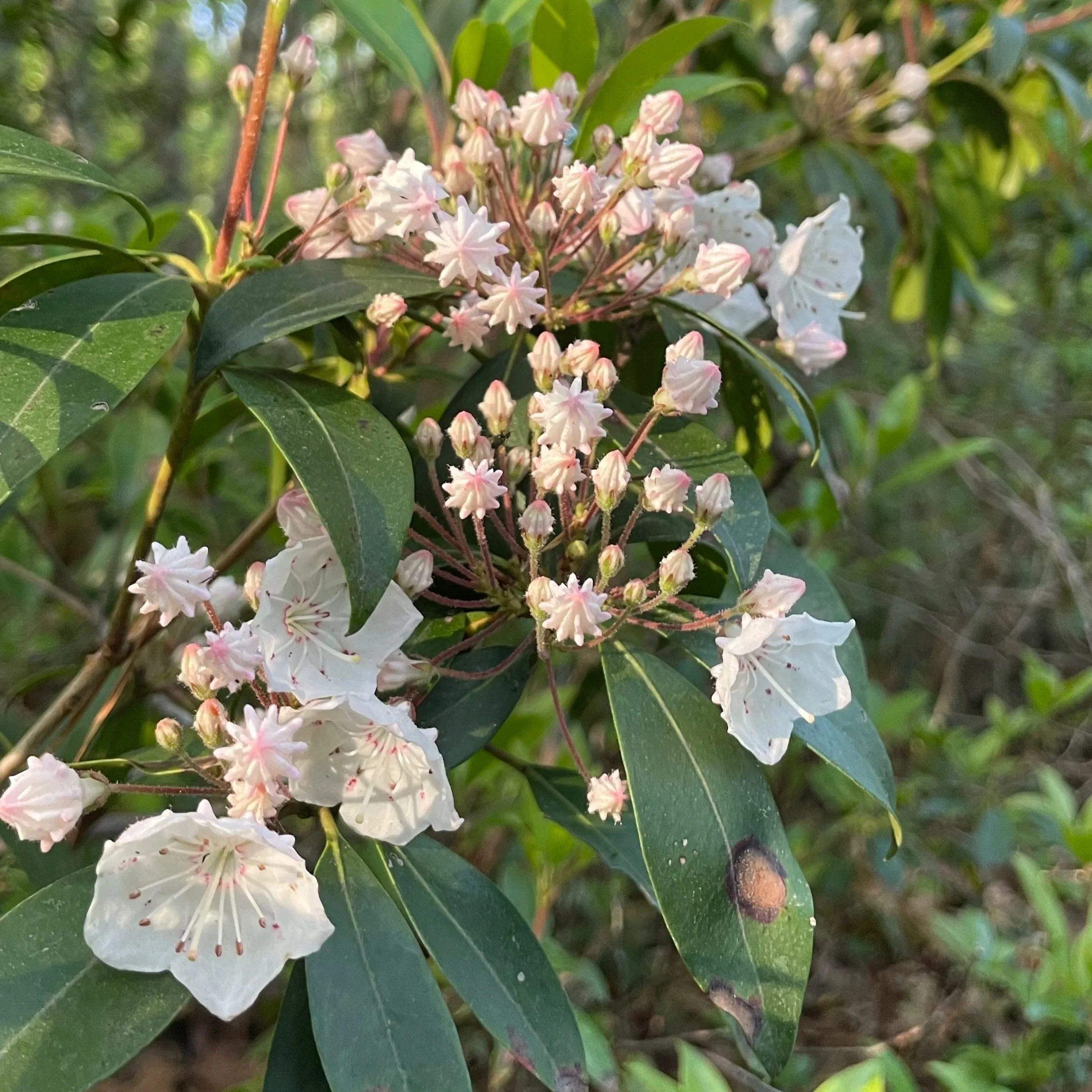
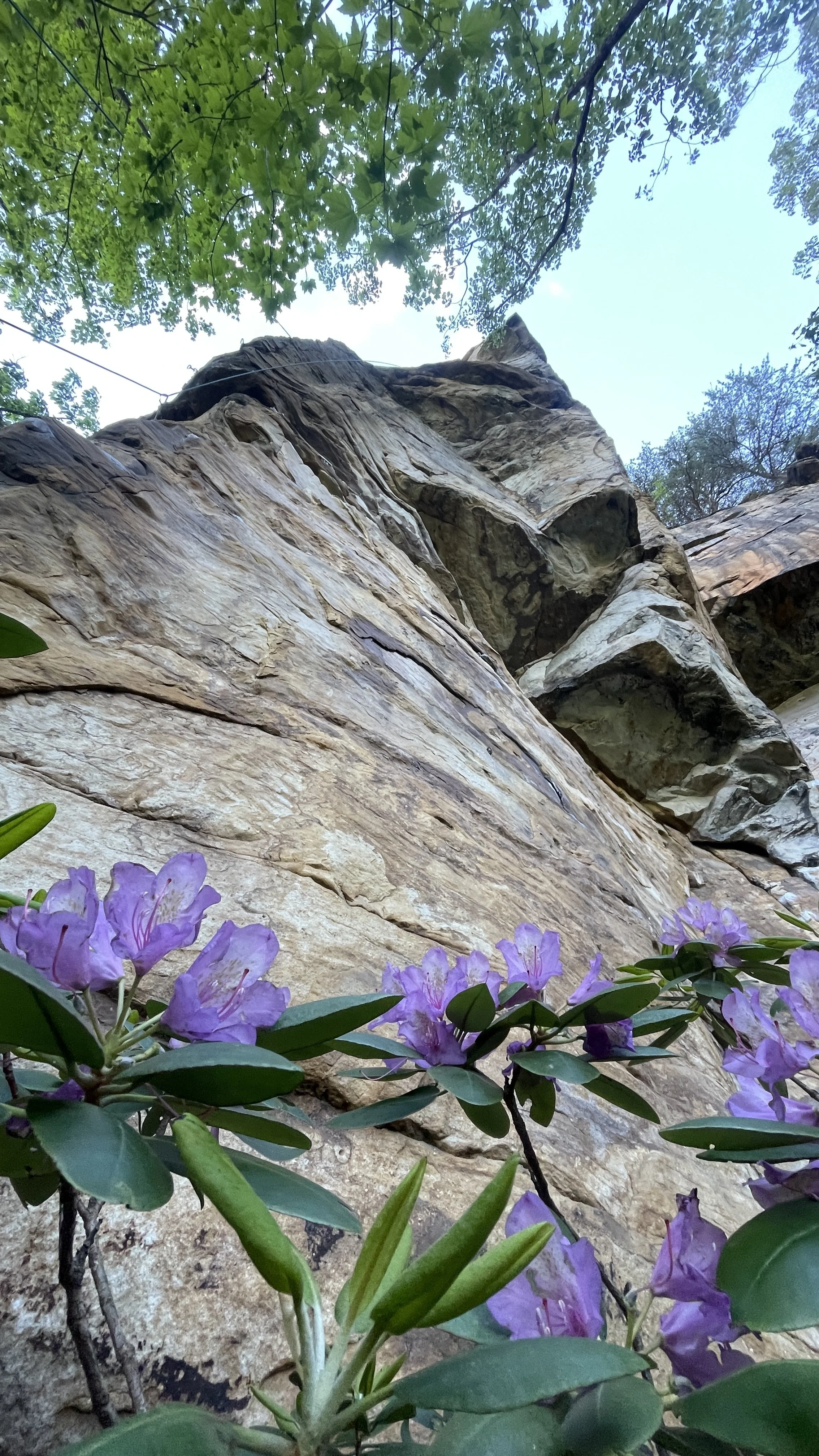
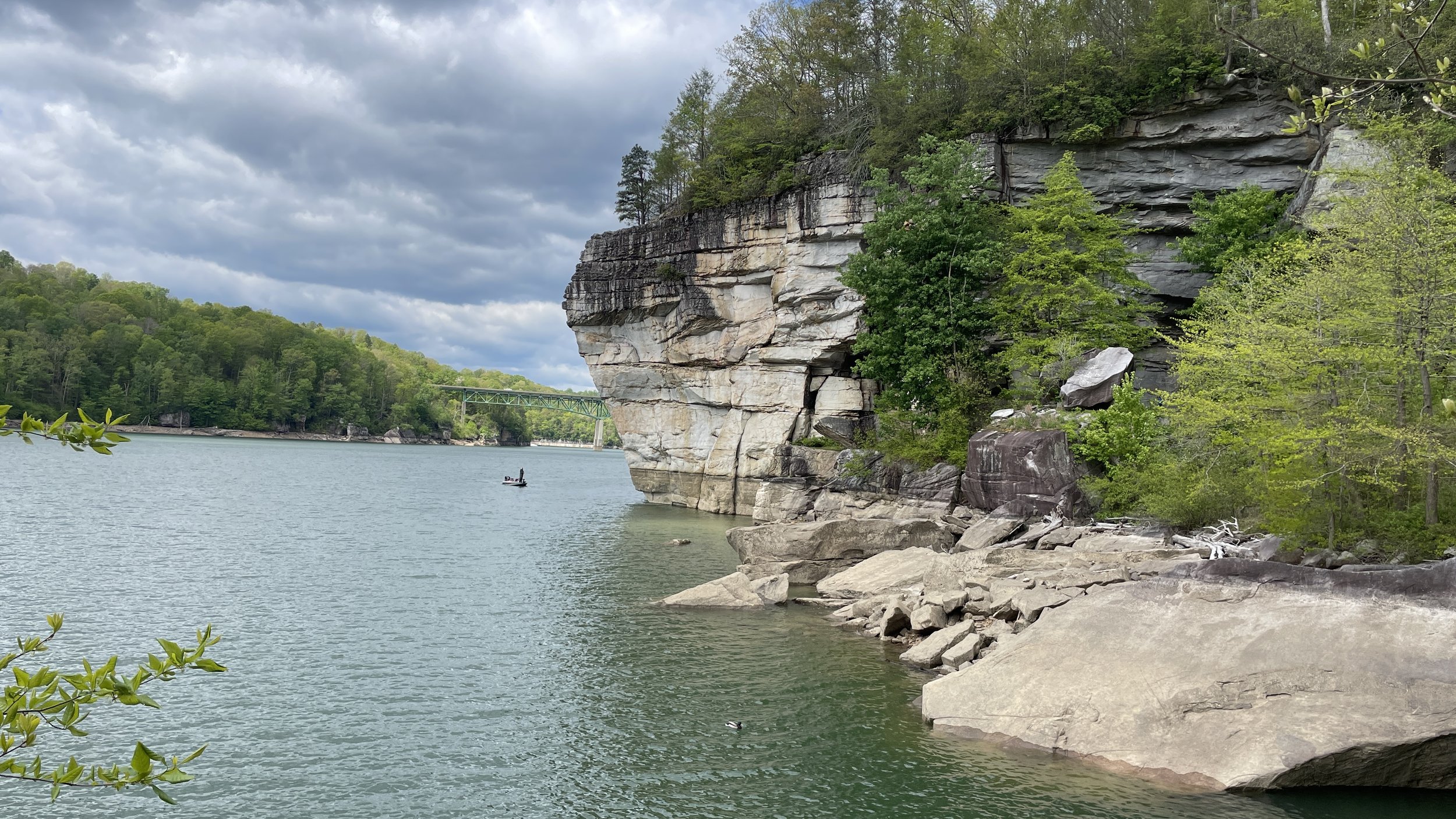
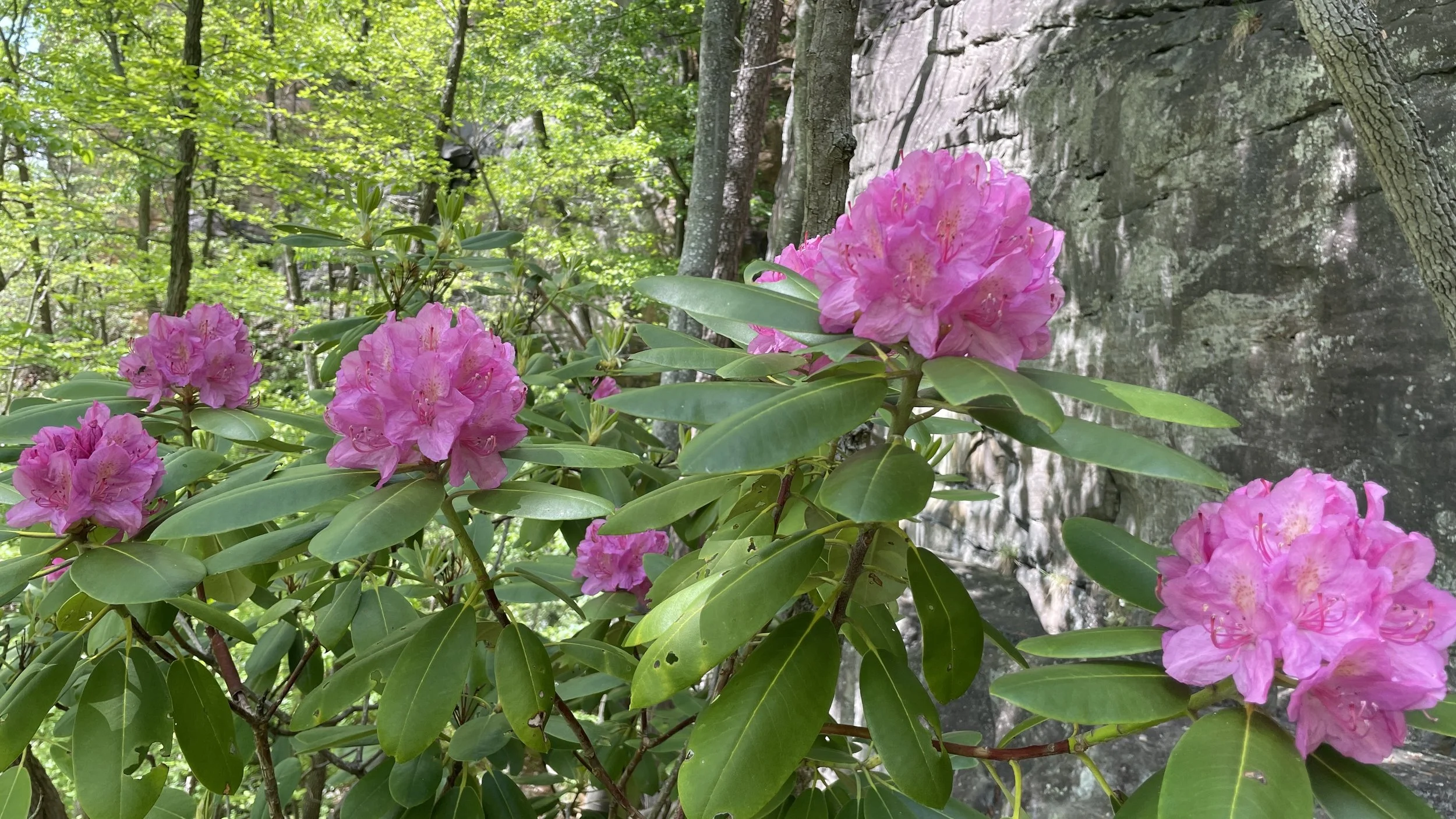
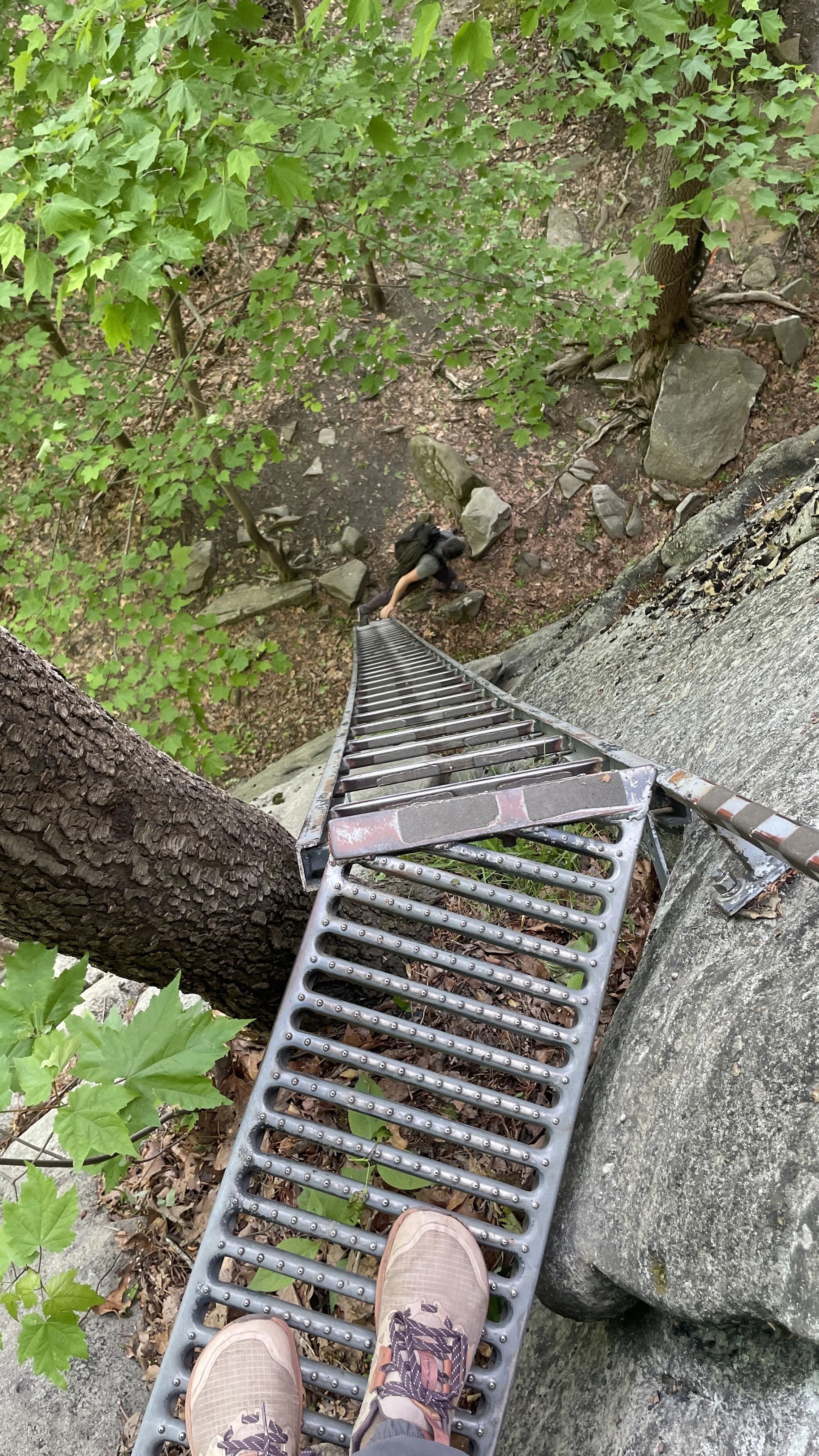
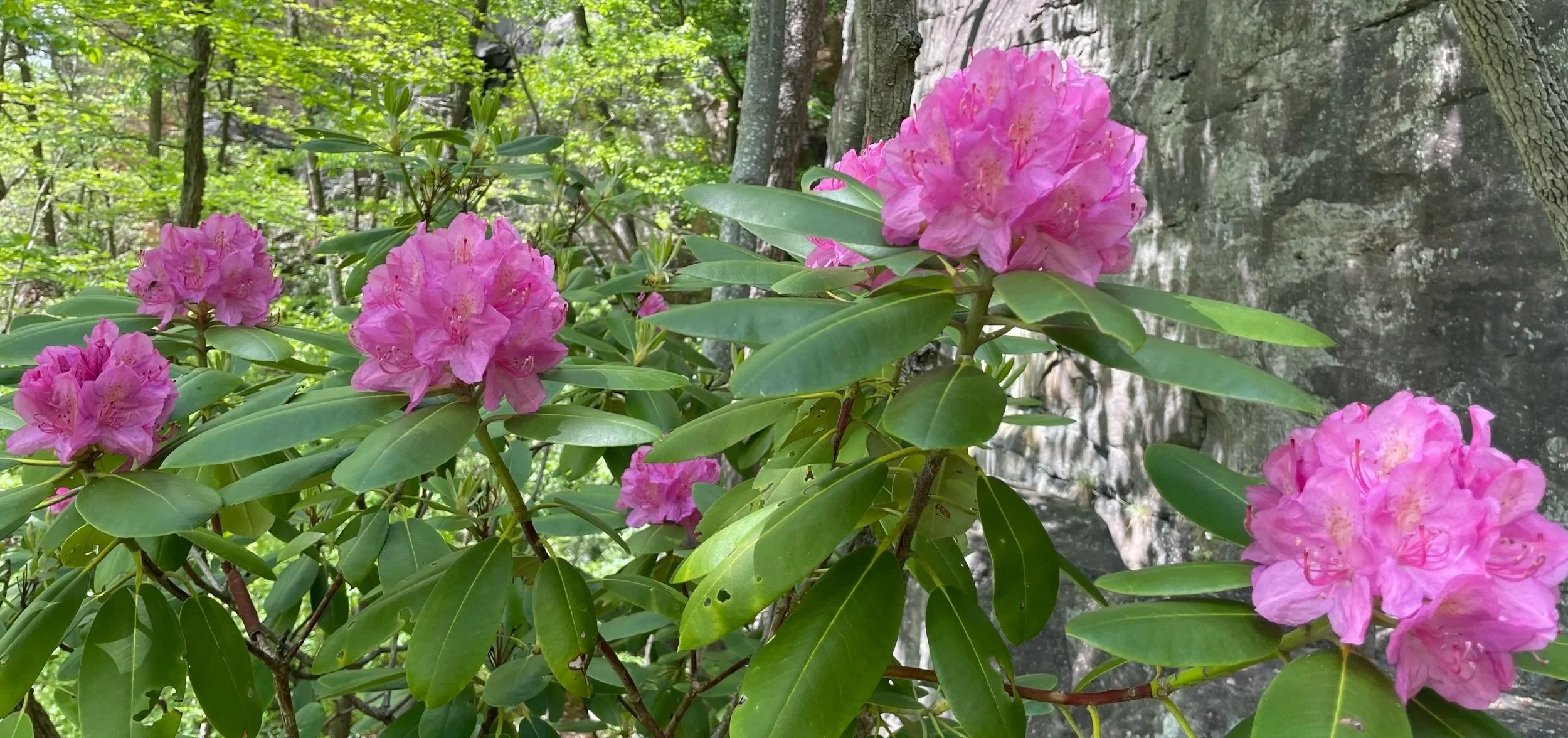
Of course, beyond the workshops and meetings, one of the best parts of the trip was getting to experience some of the incredible climbing around the New River Gorge, along with the spectacular greenery and spring blooms that make West Virginia such a unique place to climb this time of year. Thanks to some good friends who offered a thoughtful list of recommendations and local beta, we were able to sample a number of classic routes including, Jesus & Tequila, Narcissus, Under the Milky Way, and Legacy.
As great as the climbing was, we’re happy to be back in Northern Arizona and excited to bring home fresh perspectives, new ideas, and renewed inspiration for our local climbing community and crags.
A huge thank you to the Access Fund and the New River Alliance of Climbers for organizing such an impactful event and creating space for collaboration, learning, and connection within the climbing community.